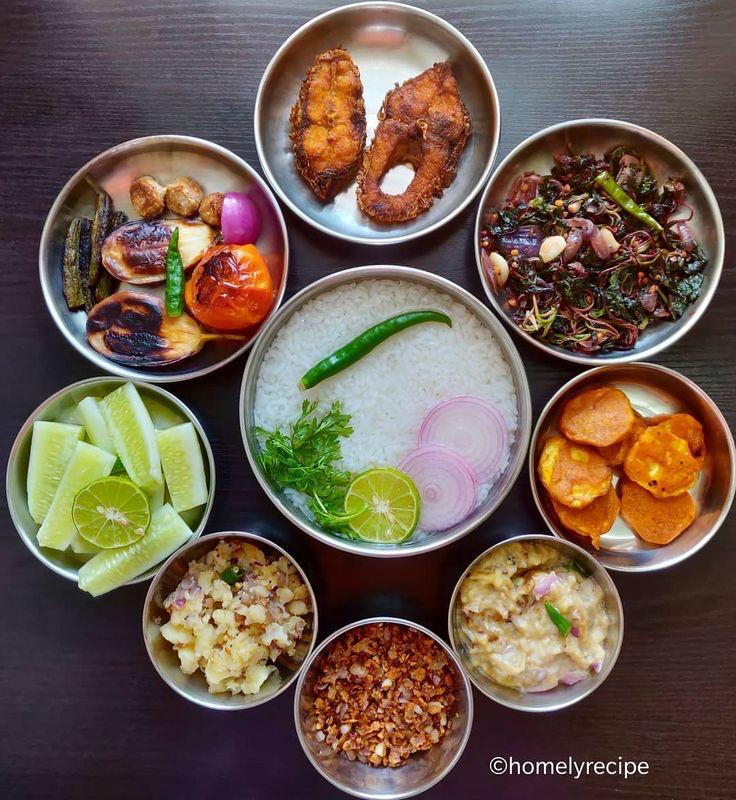
The greatest are the Odias, who find immense joy in the simplest yet most cherished dish—Pakhala Bhat (ପଖାଳ ଭାତ), a humble yet refreshing meal of fermented rice soaked in water, often accompanied by a pinch of salt, curd, or green chilies. This dish, traditionally enjoyed with fried or mashed vegetables, embodies the essence of Odisha’s food culture—a blend of simplicity, sustainability, and deep-rooted culinary heritage.
Pakhala is so dear to many Odias, that it even features in a traditional song composed by Kabichandra Kalicharan Pattanaik titled āsa jībana dhana mora pakhāḷa kãsā ଆସ ଜୀବନ ଧନ ମୋର ପଖାଳ କଂସା. This song is available on YouTube.
The lyrics of this song goes –
Odia Script:
ଆସ ଜୀବନଧନ ମୋର ପଖାଳ କଂସା।
ସଜନୀରେ ତୋ ବିହୁନେ ଉଡ଼ିଲା ହଂସା॥
In Romanized (ISO15919)
āsa jībanadhana mora pakhāḷa kãsā.
sajanīre to bihune uṛilā hãsā..
English Translation
“Come, my life’s treasure, my Pakhala in a kansa (bronze) bowl.
Oh, dear one, without you, the swan has flown away.”

On this special occasion of Pakhala Dibasa (ପଖାଳ ଦିବସ, पखाळ दिबस), a day dedicated to celebrating this iconic dish, I am delighted to share an enriching conversation I had with Prof. Pralay Kanungo, where we delved into the nuances of Odia cuisine and its historical significance.
Our discussion explored the rich and diverse food culture of Odisha, a state in Eastern India known for its unique and ancient culinary traditions that have been passed down through generations. No conversation about Odisha’s cuisine is complete without mentioning the sacred offerings prepared in the Jagannath Temple kitchen in Puri. This temple, one of the four holiest pilgrimage sites for Hindus, has been serving Mahaprasad, a grand assortment of vegetarian delicacies cooked in earthen pots over a wood-fired stove, for centuries. The temple’s food culture is not just a testament to Odisha’s deep spiritual connection with food but also a symbol of its culinary legacy.
For this podcast (in Hindi), I had the privilege of speaking with Prof. Pralay Kanungo, an expert on Odia culture and former professor of political studies at Jawaharlal Nehru University, New Delhi. Being a connoisseur of Odia food himself, he shared invaluable insights into the historical, cultural, and social significance of Odisha’s cuisine. From the influence of temple rituals on everyday cooking to the evolution of regional delicacies, our discussion offered a comprehensive look at what makes Odia food unique.
Join me in celebrating Pakhala Dibasa and honoring Odisha’s timeless food traditions, where even the simplest meal carries the warmth of heritage, community, and an unbreakable bond with nature.
Discover more from Linguistica Indica
Subscribe to get the latest posts sent to your email.
 Linguistica Indica