© Abhishek Avtans
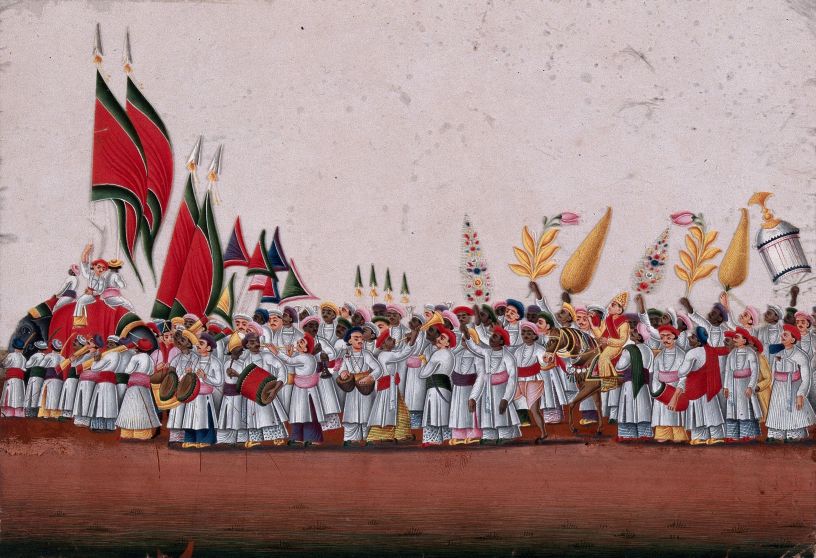
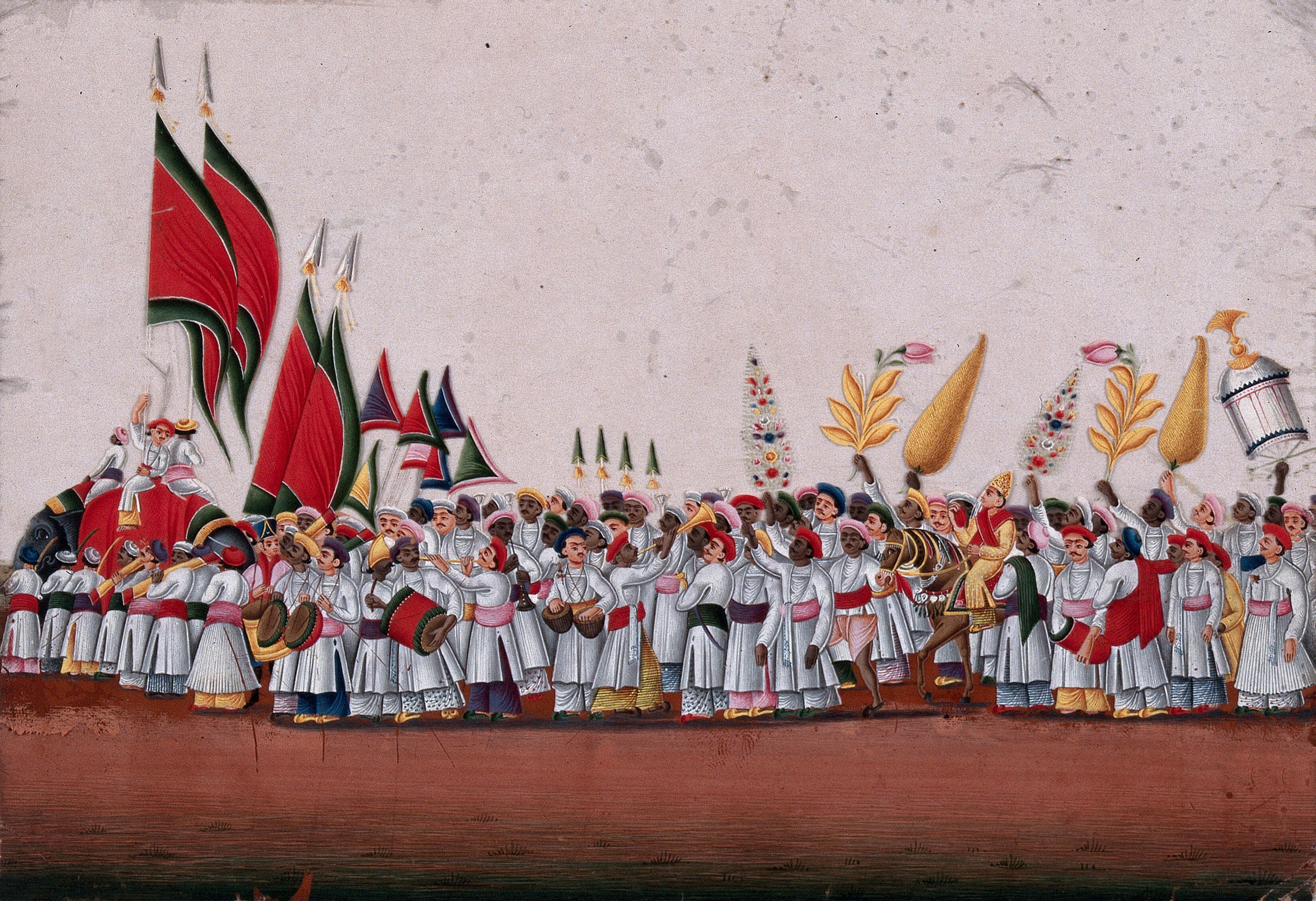
Bārāt बारात is a Hindi/Urdu word for a wedding procession or journey from the house of a bridegroom to the house of the bride. बारात bārāt also means wedding party which goes with the marriage procession. In a बारात bārāt the bridegroom is usually accompanied by his family members and friends who are all known as बाराती bārātī who come along with hired musicians, lights and other decoration holders etc. The word bārāt or barāt is derived from Sanskrit word वरयात्रा varayātrā which is a compound of वर vara (bridegroom) plus यात्रा yātrā (journey), which led to वरआत्त varaātta > बरात्त barātta > बरात barāt.
Interestingly this बरात barāt is the older spelling of its now popular spelling bārāt बारात. I believe that the use of बारात bārāt was started by Urdu speakers, because of बरात barāt’s close resemblance with another word in Urdu barāt बरात برات which is of Arabic origin.
The Arabic origin barāt means ‘immunity; freedom; being quit of; being clear of any responsibility’ which comes in the festival of shab-i-barāt which is celebrated in India on the 15th night of Islamic month of Shaʿbān (8th month of Islamic lunar year). It is also known as the Night of Forgiveness or Day of Atonement.
In Bohra Muslim community of Gujarat (mainly Surat), Mumbai (India) and East Africa the word barāt बरात is used in a completely different sense, where it implies social exclusion or boycott of a community member or their family. This barāt obviously is of Arabic origin.
References
Qureshi, Bashir Ahmad (1971). Kitabistan’s 20th century standard dictionary. Lahore: Kitabistan Pub. Co.
Kurpershoek, M. (01 Jan. 2005). Voices from the Desert. Leiden, The Netherlands: Brill. https://doi.org/10.1163/9789047407638
Jafar S. & Crooke W. (2018). Islam in India : or the qanun-i-islam the customs of the musalmans of india. Routledge
Engineer A. A. (1980). The bohras. Vikas Publishing House. Delhi
Discover more from Linguistica Indica
Subscribe to get the latest posts sent to your email.
 Linguistica Indica