© Abhishek Avtans
© Abhishek Avtans
Why ne ने in chhūne tere hāth hai maine छूने तेरे हाथ हैं मैंने?
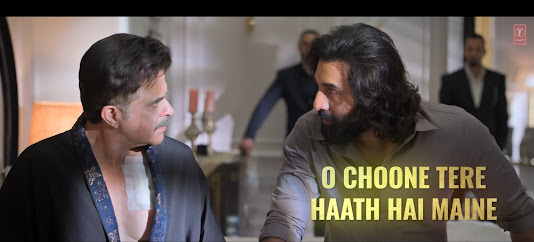
Sandeep Reddy Vanga’s film Animal (2023) features a song Saari Duniya Jala Denge सारी दुनिया जला देंगे (sung and written by B Praak and Jaani) which has a couple of lines with ने ne where it shouldn’t be there – रहना तेरे साथ है मैंने , ओ छूने तेरे हाथ है मैंने; ओ पूजा तेरी करनी है , हर दिनरात है मैंने (rehnā tere sāth hai maĩne , o chūne tere hāth hai maĩne; o pūjā terī karnī hai , har dinrāt hai maĩne) [English – I have to stay with you, I have to touch your hand, I have to worship you every day and night.]
In standard Hindi/Urdu, this should have been रहना तेरे साथ है मुझे , ओ छूने तेरे हाथ है मुझे; ओ पूजा तेरी करनी है, हर दिन-रात है मुझे rehnā tere sāth hai mujhe , o chūne tere hāth hai mujhe; o pūjā terī karnī hai , har din-rāt hai mujhe. Mujhe मुझे is a short form of mujh-ko मुझको. So why is this ne ने in Animal’s lyrics in place of ko को? Here is the detailed answer:
Hindi ne ने is an agentive postposition (also known as ergative case marker) and it is used with perfective forms of transitive verbs for example khānā खाना (to eat). In this situation, the verb agrees with the object and if there are no objects, it stays in default masculine singular form. Compare following examples from Hindi/Urdu –
राजू ने एक रोटी खाई। rājū ne ek roṭī khāī (Raju ate a Roti.) – feminine singular object
राजू ने दो रोटियाँ खाईं। rājū ne do roṭiyā̃ khāī̃ (Raju ate two Rotis.) – Feminine plural object
राजू ने एक समोसा खाया। rājū ne ek samosā khāyā (Raju ate a Samosa) – masculine singular object
राजू ने तीने समोसे खाए। rājū ne tīne samose khāe (Raju ate three Samosas) – masculine plural object
क्या राजू ने खाया? kyā rājū ne khāyā? (Did Raju eat?) – no object
On the other hand, Intransitive verbs (like go, come, sleep etc.) do not take ne ने with their subjects, and therefore follow the normal subject – verb agreements in all perfective sentences. For example – राजू दिल्ली गया rājū dillī gayā or राधा दिल्ली गई rādhā dillī gaī (Radha went to Delhi). In both these sentences, Raju (a male subject) and Radha (a female subject) agree with the verbs in gender and number respectively.
Various Indic languages have different postpositions for the same functions; for example Hindi / Urdu ko को and Gujarati –ne ને mark ‘definite direct objects’, ‘animate’ & ‘indirect objects’. For example Hindi/Urdu use ko को in the following ‘like’ construction – राजू को लस्सी पसंद है। rājū ko lassī pasand hai (Raju likes Lassi.)
In comparison, Punjabi even though primarily uses Ne ਨੇ (agentive postposition) for “ergative case” marking just like Hindi/Urdu, it also uses ne ਨੇ in some cases of so called “internal compulsion” constructions (internal compulsion constructions are sentences where there is an intention for doing an action, similar sentences in English are formed with ‘have/has/had to….’.). For example, in Punjabi, ਮੁੰਡੇ ਨੇ ਜਾਣਾ ਅਇ mũḍe ne jāṇā a:i (The boy has to go). A similar sentence in Hindi/Urdu would be लड़के को जाना है laṛke ko jānā hai (The boy has to go). In Punjabi, ne ਨੇ is allowed in internal compulsion constructions where the subject is third person singular and plural, and even with first person and second pronouns when they are followed by lokā (people). Compare following examples in Punjabi (note : using asī̃ lokā̃ or tusī̃ lokā̃ is considered unusual and inappropriate by native Punjabi speakers from India). Many thanks to Mr. Baljit Basi ji for examples 1 to 6, thanks to Punjabigator for examples 7, 8, 9, and 10.
- ਅਸੀਂ ਸਾਰਿਆਂ ਨੇ ਜਾਣਾ ਹੈ asī̃ sāriā̃ nē jāṇā hai (We all have to go.)
- ਮੈਂ ਇਕੱਲੇ ਨੇ ਜਾਣਾ ਹੈ maĩ ikllē nē jāṇā hai (I have to go alone.)
- ਤੁਸੀਂ ਮੁੰਡਿਆਂ ਨੇ ਜਾਣਾ ਹੈ tusī̃ mũḍiā̃ nē jāṇā hai (You girls have to go.)
- ਕੁੜੀ ਨੇ ਜਾਣਾ ਹੈ kuṛī nē jāṇā hai (The girl has to go.)
- ਰਾਮ ਨੇ ਜਾਣਾ ਹੈ rām nē jāṇā hai (Ram has to go.)
- ਕਿਸੇ ਨੇ ਨਹੀਂ ਜਾਣਾ kisē nē nahī̃ jāṇā (Who does not have to go?)
- ਅਸੀਂ ਲੋਕਾਂ ਨੇ ਜਾਣਾ ਹੈ asī̃ lokā̃ ne jāṇā hai (We people have to go)
- ਤੁਸੀਂ ਲੋਕਾਂ ਨੇ ਜਾਣਾ ਹੈ tusī̃ lokā̃ ne jāṇā hai (You people have to go)
- ਉਸ ਨੇ ਜਾਣਾ ਹੈ us ne jāṇā hai (He has to go)
- ਉਹਨਾਂ ਨੇ ਜਾਣਾ ਹੈ uhanā̃ ne jāṇā hai (They have to go)
Similarly, in Hindi / Urdu मुझे तेरे साथ रहना है mujhe tere sāth rahnā hai (I have to stay with you.) from the film Animal (2023).
However, Punjabi still uses objective postposition ਨੂੰ nū̃ in so called “external compulsion” constructions e.g. ਮੁੰਡੇ ਨੂੰ ਜਾਣਾ ਪਿਆ ਅਇ mũḍe nū̃ jāṇā piā a:i (The boy had to go – external compulsions). This is similar to Hindi / Urdu लड़के को जाना पड़ा है lar̤ke ko jānā par̤ā hai (The boy had to go – external compulsions). External compulsion sentences are translated in English by must or has / have / had to..’.
Coming back to the original question why, Animal (2023) lyrics use ne ने where there should be को ko in Standard Hindi/Urdu. The answer lies in the Punjabified Hindi of Delhi, where Punjabi ne ਨੇ has replaced Hindi/Urdu को ko in so called ‘internal compulsion’ as an intention marker sentences like “rehnā tere sāth hai maĩne , o chūne tere hāth hai maĩne”.
Linguist Dr. Elena Bashir (1999) has written a wonderful paper on this newly developed sense of Ne in Pakistani Urdu, where she observes how this ne + infinitive sentences (intention sentences) are becoming a marker of Pakistani variety of Urdu. Renowned Urdu scholar C.M. Naim (1975, 2000) writes – “a dialectal construction in which /nee/instead of/koo/is used after the real subject, has become acceptable in magazines and newspapers published in Pakistan, though it is still used only by those writers whose mother tongue is Punjabi”.
This shows how Bollywood song composers are increasingly influenced by this new flavor of Delhi Hindi/Urdu influenced by Punjabi.
References
Bhatia, T. K. (2000). Punjabi: a cognitive-descriptive grammar. New York: Routledge.
Bhardwaj M. R. (2016). Panjabi : a comprehensive grammar. Routledge.
Gill H. S. & Gleason H. A. (2013). A reference grammar of punjabi (Rev.). Dept. of Linguistics Punjabi University.
Bashir, Elena (1999). The urdu and hindi ergative postposition ne: its changing role in the grammar (pp. 288 p.) In Singh, Rajendra (Ed.), The yearbook of south asian languages and linguistics. https://doi.org/10.1515/9783110245240
Naim, C.M. Introductory Urdu (Volume 2) [Chicago]: South Asia Language & Area Center, University of Chicago 1999
Urdu: Maine. (2008, March 27). WordReference Forums. https://forum.wordreference.com/threads/urdu-maine.888829/
“Animal:Saari Duniya Jalaa Denge(Audio): Ranbir K,Rashmika,Anil,Bobby: Sandeep: B Praak,Jaani: Bhushan K.” YouTube, 24 Nov. 2023,
youtu.be/y5XoL2aTgVY?si=VL3kAYsXQjdnLQ-4
Discover more from Linguistica Indica
Subscribe to get the latest posts sent to your email.
 Linguistica Indica