
© Abhishek Avtans
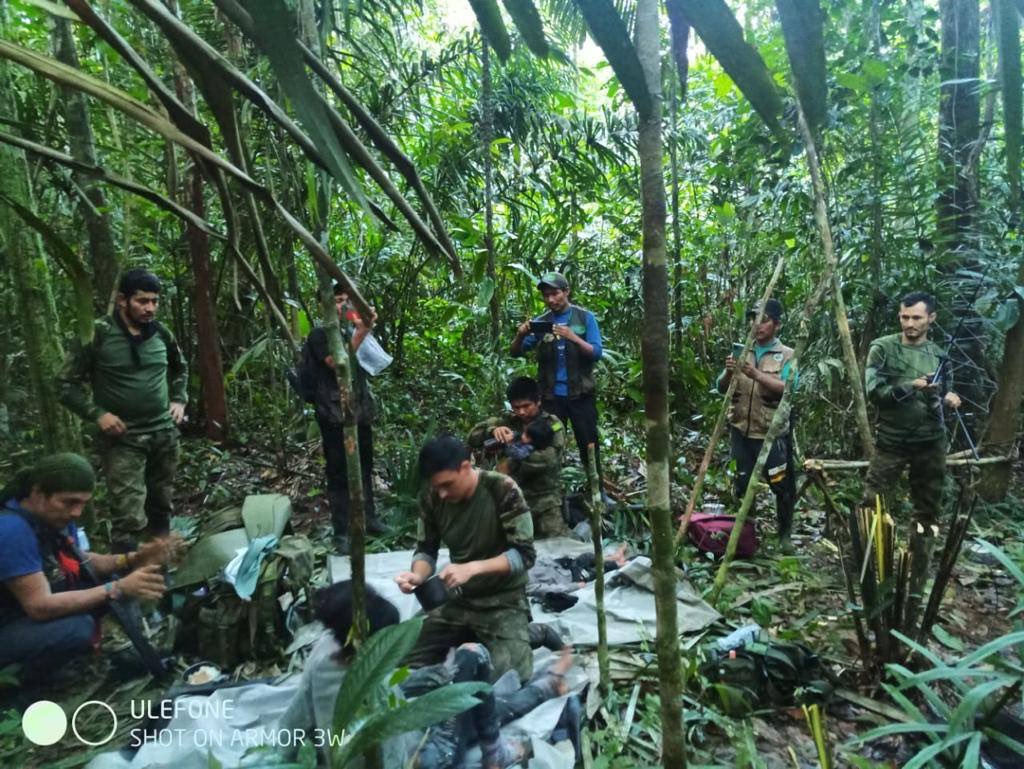
On May 1, 2023, a tragic incident occurred in the Caquetá Department of Colombia involving a Cessna 206 light aircraft. The plane had seven people on board and crashed in the Amazonian jungle in southern Colombia. On board the aircraft were a pilot, Hernando Murcia Morales, and six passengers: a mother, Magdalena Mucutuy Valencia, with her four children aged 13, 9, 4 years and one only 11 months old, and a local indigenous leader, Herman Mendoza Hernández. The children started their journey with their mother from the Amazonian village of Araracuara and they were going to San Jose del Guaviare where their father lived. Unfortunately, the pilot and two adults including the mother lost their lives in the crash. What follows later is an inspiring story of human resilience. Defying all odds, the children survived their 40 days (about 1 and a half months) ordeal in an inhospitable Amazonian jungle infested by mosquitoes, poisonous insects, Jaguars, snakes, and other wild animals. In this extraordinary feat of survival, a missing discussion in the media is how the children’s indigenous language helped them survive.
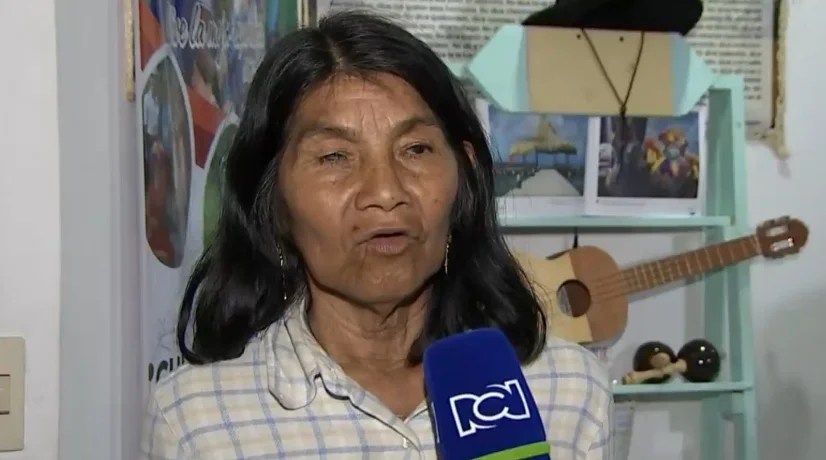
The four children who were travelling in that ill-fated airplane were raised by their grandmother, Maria Fatima Valencia, with whom they spoke in a variety of Witoto language. Witoto/Uitoto is a family of Amazonian languages which are spoken by indigenous people in Colombia, Peru & Brazil.
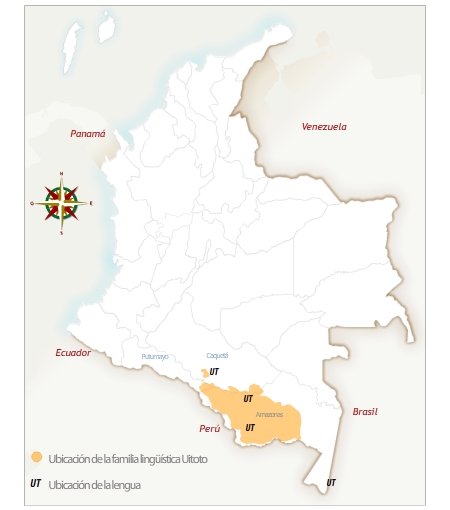
The Witoto language speakers, also known as Huitoto, Witoto Murui, Witoto Minïca, and Witoto Muinane, live in southern Colombia. They inhabit various regions such as the Cara-Paraná rivers (Mïnïca dialect), Igará-Paraná rivers, Caquetá, and Putumayo (Minica dialect), as well as the Caquetá above Arraracuyara (Nïpode dialect). Witoto community suffered greatly during the rubber boom at the beginning of the 20th century, primarily due to the cruel actions perpetrated by the rubber company Casa Arana. As a result, they became one of the most severely affected indigenous groups in the Amazon region. Today, the Witoto language in Colombia is endangered, with an estimated ethnic population of around 6,245 individuals (while larger populations exist in Peru and Brazil).

The surviving children especially the eldest one 13-year-old Lesly Mucutuy learned jungle survival skills like fishing, hunting, and recognizing edible fruits and nuts from her grandmother, and she used this indigenous knowledge to protect and sustain herself and her siblings in a wild and dangerous environment. It is important to note here that much of their bio-cultural knowledge in preserved in small indigenous languages of the regions. This knowledge is passed down to younger generations through oral traditions and cultural practices.
In the meanwhile, Colombian military rescue team kept playing on loudspeakers recordings of their grandmother saying following sentences in Witoto language:
🔊Stay put, they are looking for you
🔊Daughter, I thank you for being still, standing! (~ directed towards Lesly).
Here you can hear the message by children’s grandmother played out on loudspeaker by Colombian Airforce –

Apart from this, Colombian military forces also dropped thousands of flyers from a helicopter in Witoto and Spanish languages in the vast area where four indigenous minors where lost, telling them to wait for the military rescue team to reach them and not to keep moving. The eye-catching pink color flyers had this text written in Witoto language and Spanish –
“We are looking for you. Do not move anymore, stay near a pipe or ravine. Make noise. Make smoke. We are going to save you. We are close. Your grandmother Fatima and the family are looking for you,”.
Text on Flyer by Colombian Air Force Command
More than a hundred soldiers and indigenous people from the area, supported by sniffer dogs, followed the trail of the missing minors as they walked through the jungle. The search was difficult due to the thick vegetation in the area, with trees that reach 40 meters in height, the presence of jaguars and snakes, and the continuous rain also prevented possible calls for help from being heard by the rescue team.

This amazing tale of indomitable human spirit, affirms the fact that our indigenous languages are repositories of wisdom, carrying within them the collective experiences, histories, and values of their respective communities. They embody unique ways of perceiving and understanding the world, incorporating deep connections to land, nature, and spirituality. These languages play a vital role in maintaining the cultural heritage of indigenous peoples, allowing them to transmit ancestral traditions, stories, and oral histories across generations.
As in this incident, Witoto language not only helped the children in understanding their rescuers’ instructions but it also brought to them all the necessary bio-cultural knowledge passed down to them by their elders and which helped them survive in an Amazon rainforest. Languages save lives.
Discover more from Linguistica Indica
Subscribe to get the latest posts sent to your email.
 Linguistica Indica